
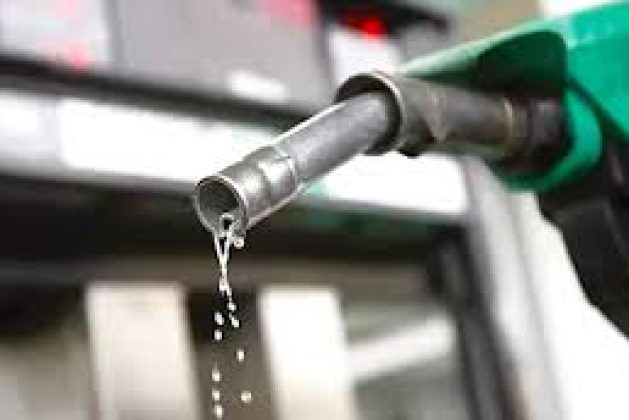
For many small business owners in Nigeria, rising fuel prices are more than just headlines—they are daily struggles that directly affect survival.
Take the example of a food vendor. With higher fuel costs, the price of transporting ingredients goes up. Cooking gas and electricity alternatives also become more expensive. To stay in business, the vendor is forced to increase food prices, which can drive customers away.
POS operators are also affected. Many rely on fuel-powered generators due to inconsistent electricity supply. As fuel prices increase, their operating costs rise, reducing profit margins.
Transport workers face similar challenges. Higher fuel costs mean increased fares, but passengers often resist paying more, creating tension and reducing demand.
These effects ripple across the economy. When small businesses struggle, employment opportunities shrink, and overall economic activity slows down.
Fuel price hikes don’t just affect transportation—they touch every sector. For small businesses, they can mean the difference between growth and closure.

I gained running a phone charging center and you heavily depend on generator, cost of fuelling the generator is what will eventually shut down the business.