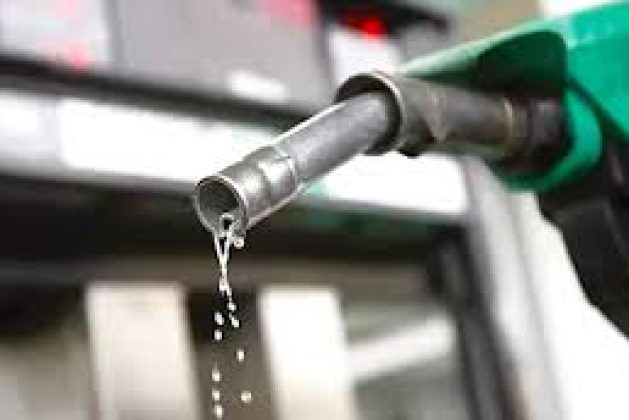
Fuel prices in Nigeria seem to rise almost every few months, leaving many citizens wondering why the situation never stabilizes. While it may feel sudden, the truth is that several underlying factors are constantly pushing prices upward.
One major reason is Nigeria’s heavy dependence on imported refined petroleum products. Even though the country produces crude oil, much of it is exported, and refined fuel is brought back in at higher costs. This exposes the country to fluctuations in global oil prices and exchange rates. When the naira weakens against the dollar, the cost of importing fuel automatically increases.
Another key factor is the removal of fuel subsidies. For years, the government helped keep petrol prices artificially low. Now that subsidies have been reduced or removed, prices reflect actual market costs, which are significantly higher.
Logistics and distribution also play a role. Transportation, storage, and supply chain disruptions can quickly add extra costs, which are passed on to consumers.
For everyday Nigerians, the impact is immediate. Transport fares rise, food prices increase, and small businesses struggle to stay afloat. In reality, fuel prices influence almost every aspect of daily life.
Until Nigeria achieves consistent local refining and a stable currency, fuel price fluctuations may remain a regular part of the economy.